
- Hogar
- Cintas Adhesivas
- Etiqueta Autoadhesiva
- Soluciones
- Sobre Nosotros
- Noticias E Lnsight
- Recursos
- Contáctenos


Vistas:0 Autor:Editor del sitio Hora de publicación: 2025-11-17 Origen:Sitio



You should always store Label Jumbo Rolls vertically on end caps. Keep the rolls in a cool, dry place with temperatures between 65°F and 75°F and humidity around 45% to 55%. Protect them from sunlight and heat. JUTU offers Paper, PP Film, PET Film, PVC Film, and PE Film Labels, each needing proper care. Review your storage area often to improve shelf life.
Put Label Jumbo Rolls upright. This helps stop damage. It also keeps their shape.
Make sure the storage place is cool and dry. The best temperature is 65°F to 75°F. Humidity should be 40% to 50%.
Check your labels often for any damage. This helps keep them good and stops waste.
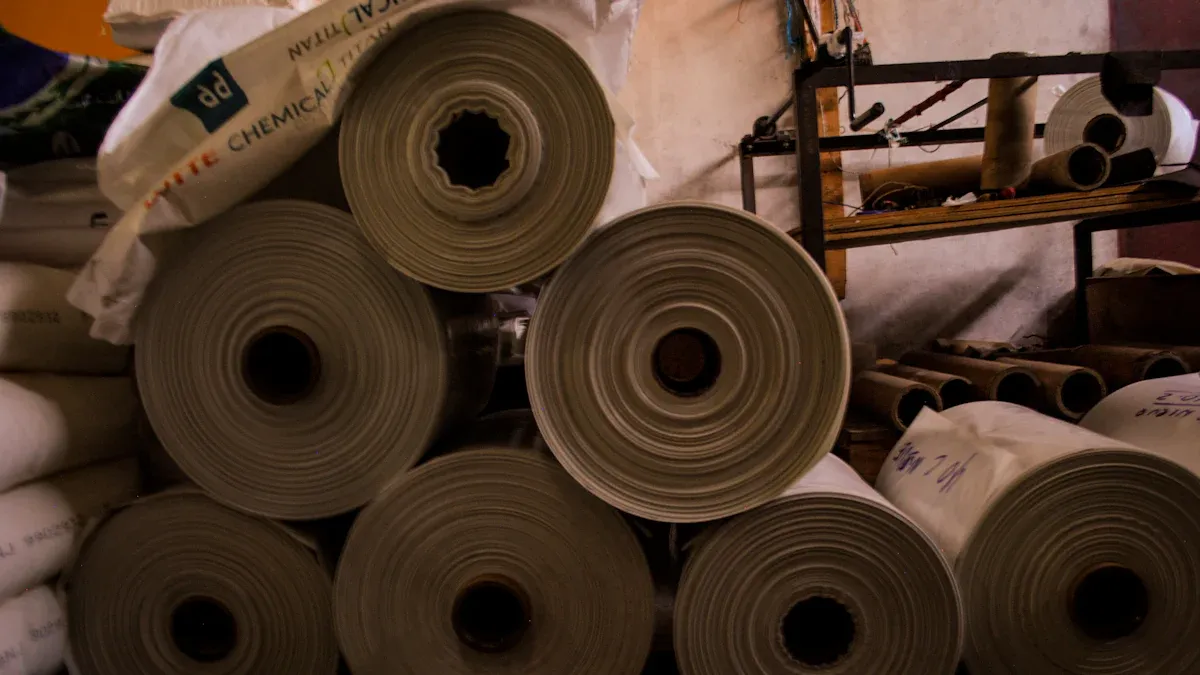
Label Jumbo Rolls need a steady place to stay. Temperature and humidity matter a lot for shelf life. If the room gets too hot or cold, labels can curl or peel. Sometimes, the sticky part may not work right. Paper labels can soak up water and get bigger at the edges. Film labels might get sticky or lose their shape.
Try to use a room where you can control the climate. This helps stop glue from leaking or ink from fading. If you keep Label Jumbo Rolls in a place without climate control, labels can sweat or lose stickiness when the temperature changes. Always check your storage area to make sure it stays in the right range. This keeps your labels in good shape.
Tip: Use a thermometer and a hygrometer to watch your storage room. These tools help you notice changes before they hurt your labels.
Light, especially UV rays, can hurt your labels over time. Both paper and film labels can fade or turn yellow if they get too much sun or bright light. You should keep Label Jumbo Rolls away from windows and strong lights.
Keeping labels away from light helps them stay easy to read.
Less light means less risk of damage.
Good storage makes sure your labels look nice and work well.
If your labels need to look sharp, store them in a dark or shaded spot.
Dust and bumps can ruin Label Jumbo Rolls before you use them. Dust can stick to the sticky part and make it not work well. Scratches or hits can also mess up the label surface.
Here are some ways to keep your labels safe:
Cover rolls with shrink wrap or plastic to keep out dust.
Use shelves or racks so rolls do not touch the floor.
Make sure the room has good air flow and HEPA filters for dust.
Keep doors closed to stop dust and bugs from coming in.
Use pallet covers and partitions to make dust-free zones.
Note: Clean your storage area often to stop dust from building up. This keeps your labels in great shape.
If you follow these tips, your Label Jumbo Rolls will stay clean and sticky. They will be ready to use whenever you need them.
Some people stack Label Jumbo Rolls to save space. This can cause problems for the rolls. If you stack rolls unevenly or too high, the bottom rolls get squished. Squished rolls can change shape and get creases. When a roll bends or gets pressed, the sticky part may not work well. You might see labels that fall off or do not print right.
Pressure can change the shape of your rolls.
Stacking unevenly makes creases that stay.
Creased labels lose their stickiness.
To stop these problems, stack rolls in one layer. You can also use racks to keep rolls standing up.
Changes in temperature and humidity can hurt your labels. If it gets too hot, the sticky part can melt or get too soft. Cold air can make labels break easily. When it is very humid, paper labels soak up water. This makes them curl and not stick well. Dry air can make labels crack.
Keep the storage room at the same temperature and humidity. This helps labels last longer and work better.
Strong chemicals and smells can hurt your labels. If you keep rolls near cleaning stuff or oily machines, the sticky part can get weak. Chemicals like nitric acid or peroxides can stain labels and mess up printing. Oily stuff can make barcodes hard to scan.
Strong chemicals make adhesives weaker.
Oxidizers make label materials less strong.
Oily places make barcodes hard to read.
Keep rolls away from chemicals and strong smells to keep them good.
You want your labels to last as long as possible. The shelf life of Label Jumbo Rolls depends on how you store them and the type of label you use. Most labels can last up to 1 year if you keep them at 72°F and 50% relative humidity. If you follow all the best storage practices, you can extend the shelf life to 18 months.
Direct thermal labels need extra care. These labels react to heat and light. If you store them in a cool, dry, and dark place, they can last from 6 months to 1 year. Exposure to heat or sunlight can make them fade or turn dark. Moisture can also smudge the surface, making the print hard to read. Other types, like thermal transfer labels, usually last longer and are less sensitive to the environment.
Here is a table to help you compare shelf life for different label types:
Label Type | Shelf Life (Months) | Notes |
|---|---|---|
Direct Thermal Labels | 6 - 12 | Sensitive to heat, light, and humidity. |
Thermal Transfer Labels | 12 - 24+ | More durable, less affected by storage conditions. |
Paper/Film Labels | 12 - 18 | Store in cool, dry, and dark places for best results. |
Tip: Always check the label type before storing. Some labels need more protection than others.
You should check your Label Jumbo Rolls before using them. Look for signs that show the labels are no longer good. Visual and tactile inspections help you spot problems early. If you see any of these issues, it may be time to replace the roll:
Faded or yellowed surfaces
Sticky residue leaking from the edges
Labels that curl, wrinkle, or feel brittle
Smudged or unclear print areas
Unusual odors or stains
Touch the labels to feel if they are sticky or rough. Sometimes, you can spot defects that machines might miss. If you use automated vision systems, they can catch small problems like misalignment or print errors. These checks help you avoid using labels that could fall off or cause trouble in your supply chain.
Regular inspections keep your labeling process smooth and protect your brand’s reputation. Always store your Label Jumbo Rolls in the best conditions and check them before use to get the most value from every roll.
You can keep your Label Jumbo Rolls in top condition by using the right storage equipment. Sturdy racks help you store rolls vertically, which prevents them from getting squished or losing their shape. Choose racks with smooth surfaces to avoid scratches. Place heavier rolls on lower shelves for safety. Use plastic or metal containers with lids to protect rolls from dust and moisture. Clear containers let you see the label type and size without opening them. For film labels, airtight bins work well to block out humidity. Paper labels stay safe in dry, ventilated cabinets.
A first-in, first-out (FIFO) system keeps your label stock fresh. You use the oldest rolls first, which helps maintain quality and reduces waste. FIFO also ensures you do not let rolls sit too long, so you avoid using materials that may have started to degrade. Regular inventory checks help you spot any problems early. These checks also make sure your FIFO system works well and that you use rolls before they expire.
Here are some benefits of FIFO and regular audits:
You use older stock first, so rolls stay in good condition.
You reduce waste by avoiding expired or damaged rolls.
You keep your records accurate and avoid mistakes.
You spot problems early and fix them before they grow.
A good storage system and regular checks help you get the most from your Label Jumbo Rolls. You keep your labeling process smooth and your products looking their best.
When you store Label Jumbo Rolls the right way, they last longer. Keep them standing up, not lying down. Make sure the room is not too hot or cold. Try to keep the air dry, not damp. Keep them away from sunlight and dust. This helps the rolls stay good and not get ruined. You will waste less and the labels will work well.
Look at the expiry dates often.
Always use the oldest rolls first by following FIFO.
Check your storage place often to make sure everything is okay.
You should store rolls upright in a cool, dry place. Keep them away from sunlight and dust. Use racks or containers for extra protection.
Look for fading, curling, or sticky leaks. Touch the surface. If labels feel brittle or do not stick, you should replace the roll.
You can store different types together if you keep them in the right conditions. Use labels or color codes to help you find each type quickly.


